
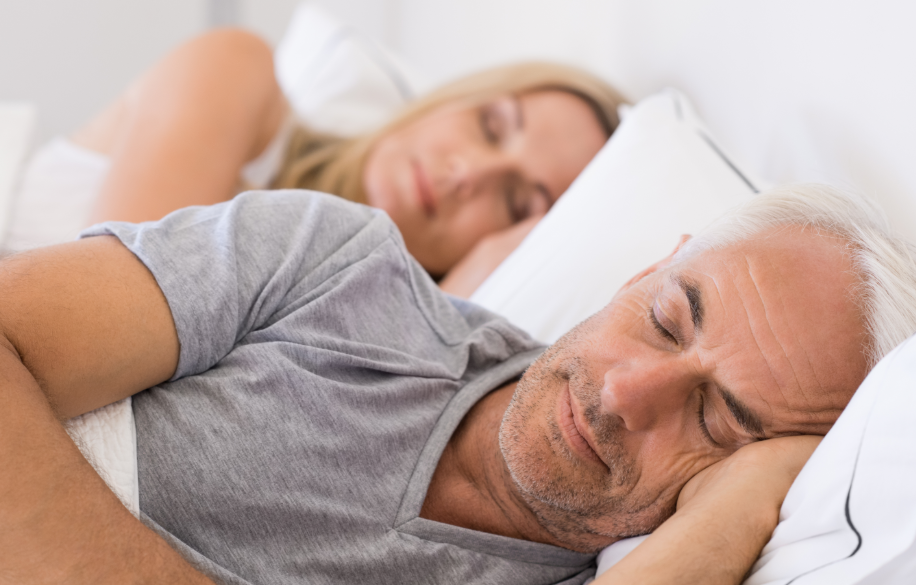
If you struggle with sleep apnea, feeling tired during the day can become part of your routine. Many people with sleep apnea don’t get the deep, uninterrupted rest they need at night, leaving them tempted to squeeze in naps whenever possible. While an occasional short nap may seem harmless, frequent daytime sleeping can sometimes interfere with your nighttime sleep patterns and make it harder to manage sleep apnea effectively.
The good news is that building healthier sleep habits and finding the right treatment can help you feel more rested naturally.
Why Sleep Apnea Causes Daytime Fatigue
Sleep apnea is a condition that repeatedly interrupts breathing during sleep. These interruptions may only last a few seconds at a time, but they can happen dozens or even hundreds of times throughout the night. As a result, your brain and body are constantly being pulled out of deeper stages of sleep, even if you don’t fully wake up or remember it happening.
Because sleep quality is reduced, many people with sleep apnea experience daytime symptoms like fatigue, irritability, trouble concentrating, headaches, and low energy. When you’re exhausted, taking a nap can feel like the only way to get through the day.
However, long or frequent naps can make it more difficult to fall asleep at night, which may create an unhealthy cycle of poor nighttime rest and daytime exhaustion.
How to Encourage Better Nighttime Sleep
Improving your nighttime sleep habits can help support your sleep apnea treatment and reduce the urge to nap during the day. Sometimes, even small changes to your routine can make a noticeable difference.
One of the most important habits is maintaining a consistent sleep schedule. Going to bed and waking up at the same time each day helps train your body’s internal clock and promotes healthier sleep patterns.
It’s also helpful to avoid screens before bed. Scrolling on your phone, watching television, or using other electronics late at night can overstimulate your brain and make it harder to relax. Many experts recommend putting devices away at least 30 minutes before bedtime.
Creating a sleep-friendly environment can help as well. Try keeping your bedroom cool, dark, and quiet whenever possible. It’s also a good idea to avoid reading, working, or spending long periods of time awake in bed so your brain continues to associate your bed with sleep.
If naps are necessary, keeping them short and earlier in the day may help reduce disruptions to nighttime rest.
CPAP Challenges and Alternative Treatment Options
Continuous positive airway pressure, commonly called CPAP therapy, is one of the most well-known sleep apnea treatments. While CPAP can be effective for many patients, some people struggle to use it consistently. The mask may feel uncomfortable, the machine can be noisy, and traveling with equipment is not always convenient.
Because of these challenges, some patients stop using their CPAP machine regularly, which can reduce the effectiveness of treatment and allow symptoms to continue.
For many individuals, oral appliance therapy offers a simpler and more comfortable alternative. Oral appliances are custom-made devices worn during sleep that help keep the airway open by gently repositioning the jaw. They are compact, portable, quiet, and easy to travel with, making them an appealing option for patients who have difficulty adjusting to CPAP therapy.
Choosing the right treatment can make a major difference in both your sleep quality and your overall health.
Better sleep at night can help you feel healthier, more energized, and less dependent on daytime naps.
About the Practice
At Atrium Family Dental, patients receive compassionate, comprehensive care designed to support both oral health and overall wellness. Our practice offers personalized sleep apnea therapy solutions, including custom oral appliance treatment for patients seeking an alternative to CPAP therapy. The experienced dental team focuses on helping patients achieve more comfortable, restful sleep through customized care and modern dental technology.
Call us at 815-462-9990 or schedule your appointment online.