
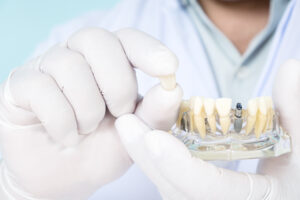
Dental implants are one of the most reliable treatments in modern dentistry, with success rates as high as 98%. Even so, a small percentage of implants do run into trouble, and dental implant failure usually comes down to factors that can be prevented. The good news is that protecting your investment doesn’t take much extra effort. Here are six simple ways to keep your new smile strong and healthy for decades to come.
1. Choose an Experienced Dentist
A successful implant starts with careful planning. An experienced dentist will evaluate your jawbone, gums, and overall health before treatment and use detailed imaging to place each implant in the ideal position. If your jawbone isn’t quite dense enough, they may recommend a bone graft first to give your implant a solid foundation.
2. Share Your Full Health History
Certain conditions and medications can affect how well your body heals. Diabetes, autoimmune disorders, osteoporosis, and past radiation to the head or neck can all play a role. Be open with your dentist about your medical history so they can adjust your treatment plan and keep your implant on track.
3. Brush and Floss Every Day
Implants can’t get cavities, but the gums and bone around them can still become infected. A condition called peri-implantitis, which is similar to gum disease, is one of the leading causes of late implant failure. Brush twice a day, floss or use a water flosser around your implant daily, and pay close attention to areas where food tends to get trapped.
4. Kick the Tobacco Habit
Smoking and other tobacco use reduce blood flow to your gums, which slows healing and makes it harder for your implant to fuse with the jawbone. It also raises your risk of infection down the road. If you’ve been thinking about quitting, getting dental implants is a great reason to start.
5. Protect Your Implant From Excess Pressure
Implants are incredibly strong, but constant grinding or clenching can put a lot of strain on them over time. If you grind your teeth at night, ask your dentist about a custom nightguard. It’s also wise to avoid chewing on ice, pens, or other hard objects, and to wear a mouthguard during contact sports.
6. Keep Up With Dental Visits
Routine checkups and cleanings allow your dentist to monitor your implant and catch small problems early. Between visits, watch for warning signs such as pain, swollen or bleeding gums, or an implant that feels loose. If you notice any of these, call your dentist right away. Many issues can be treated successfully when they’re addressed quickly.
About the Practice
Atrium Family Dental of New Lenox, IL, is home to a team of experienced dentists who provide comprehensive care for the whole family. Dr. Sherif Albert earned his DDS from the Ohio State University College of Dentistry, Dr. Christine Snow studied at the University of Kentucky College of Dentistry, and Dr. Amy Feller graduated from the Indiana University School of Dentistry. All three are committed to ongoing education to provide the latest in dental care. Whether you’re considering implants or need help with an existing one, call (815) 462-9990 or contact us to schedule a visit.